


Commercial roofing leads are not the same as residential roofing leads. The sales cycle is longer, the decision usually involves property managers, facility directors, business owners, developers, or procurement teams, and the buyer needs proof that your company can handle larger buildings, safety requirements, warranties, documentation, and long-term maintenance.
In this guide, we’ll cover 18 practical ways to generate commercial roofing leads: building a stronger portfolio, improving local visibility, partnering with property managers, bidding on commercial projects, using targeted advertising, creating maintenance programs, and building a marketing system that brings in qualified opportunities instead of random inquiries.
If your team needs support reaching property managers and facility buyers, explore Loona’s approach to B2B marketing for roofing companies.
Idea #1: Build a commercial portfolio
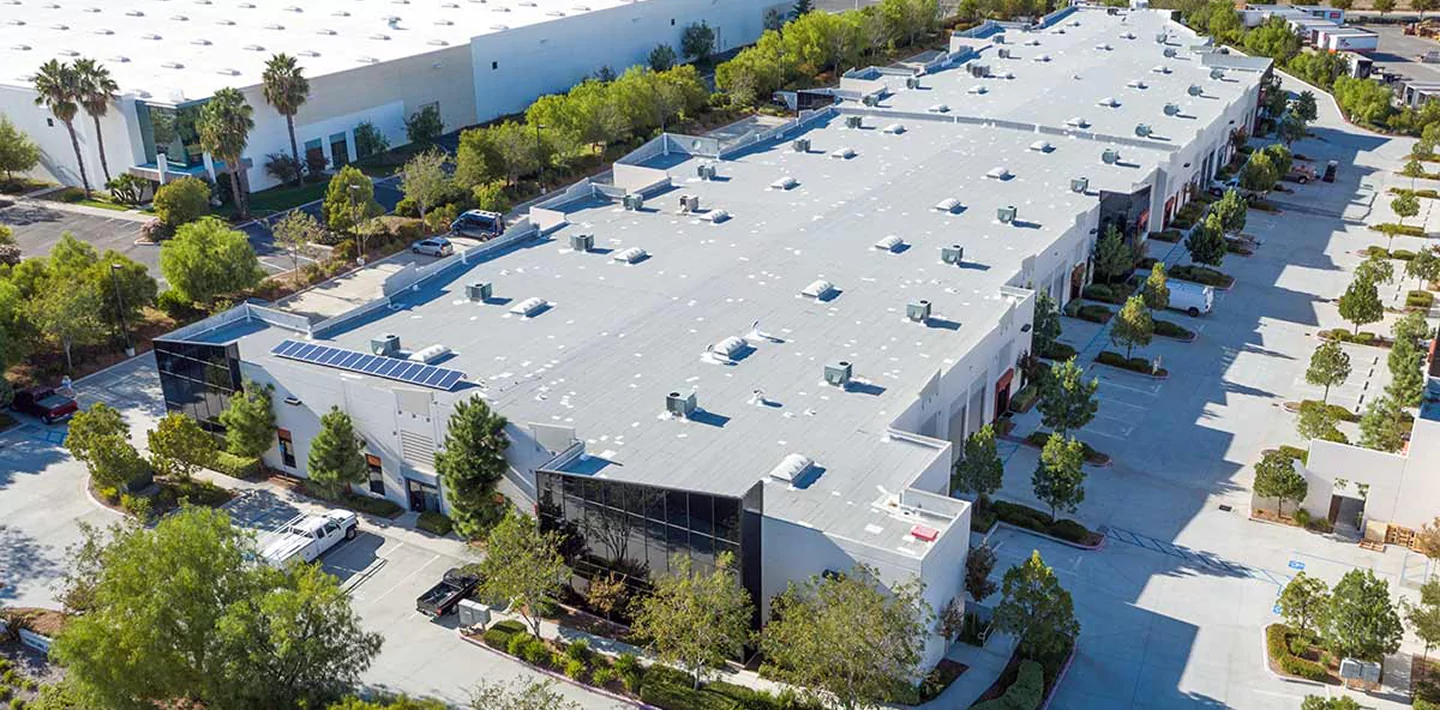
If you want more commercial roofing jobs, your portfolio needs to prove that you can handle commercial properties, not just residential roof repairs. Property managers and building owners want to see experience with flat roofs, TPO, EPDM, PVC, metal roofing, coatings, drainage issues, roof inspections, leak detection, and large-scale replacement or maintenance work.
Document each project with before-and-after photos, roof type, building type, location, square footage, project scope, timeline, materials used, safety considerations, and the problem your team solved. A strong case study does more than show a finished roof — it shows that your company understands commercial risk, scheduling, communication, and long-term asset protection.
Add your best commercial projects to your website, sales decks, email follow-ups, and proposals. If you are investing in roofing SEO, these project pages can also support organic visibility because they create service-specific, location-specific, experience-based content that search engines and potential clients can understand.
Idea #2: Update your branding and marketing
Commercial roofing buyers evaluate trust before they request a quote. If your website looks outdated, your LinkedIn profile is inactive, your directory listings are inconsistent, or your project photos look low quality, potential clients may assume your operations are just as disorganized. Strong branding helps your company look credible before the first conversation.
Make sure your branding reflects the type of commercial projects you want to win. Use professional project photography, clear service pages, testimonials from property owners or managers, safety and warranty information, and direct calls to action such as “Request a roof inspection” or “Get a commercial roofing estimate.”
Your brand should be consistent across the website, Google Business Profile, LinkedIn, industry directories, proposals, trucks, uniforms, and email templates. For commercial roofing companies, this consistency supports trust: the buyer sees the same positioning, services, proof, and professionalism everywhere they evaluate your company.
Idea #3: Optimize for local SEO
Local SEO is one of the most important channels for commercial roofing lead generation. When a facility manager searches for “commercial roofing contractor near me,” “flat roof repair in [city],” or “TPO roofing contractor [city],” your company needs to appear with a credible website, strong reviews, accurate service areas, and clear commercial roofing pages.
Start by claiming and optimizing your Google Business Profile. Add accurate business hours, phone number, website, service areas, photos, videos, and a business description that explains what you actually offer. Google’s own Business Profile guidance recommends keeping business information updated, posting photos and videos, and collecting and responding to customer reviews.
Your website should also support local SEO with service pages, city pages, project case studies, internal links, commercial roofing FAQs, and content that answers buyer questions. A strong commercial roofing marketing strategy should connect your Google Business Profile, website content, reviews, and local landing pages into one lead-generation system.
Idea #4: Leverage networking
Networking still matters in commercial roofing because many high-value jobs come through relationships, referrals, and repeat vendors. Join local real estate groups, property management associations, construction organizations, chamber of commerce events, and trade shows where building owners, developers, general contractors, and facility managers are already looking for reliable partners.
You can also generate commercial roofing leads through targeted outreach. Build a list of property managers, industrial parks, retail centers, warehouses, schools, medical buildings, HOAs, architects, and general contractors in your service area. Then reach out with a specific reason to talk, such as roof inspections, maintenance planning, storm damage response, or upcoming capital improvement projects.
The goal is not to pitch every contact immediately. Ask about their roofing problems, budget cycles, emergency response needs, vendor requirements, documentation expectations, and current pain points. Commercial roofing leads often come from being remembered as the company that understands the building owner’s operational risk.
Idea #5: White-label partnership with big roofing companies in US
White-label or subcontracting partnerships can help smaller roofing companies access larger commercial jobs. Larger roofing firms may need trusted crews for overflow work, specialized systems, storm response, inspections, or regional coverage. If your team is reliable, insured, safety-focused, and easy to coordinate with, these partnerships can become a steady source of commercial roofing opportunities.
These partnerships can help you build experience with larger buildings, stricter timelines, and more complex project requirements. They can also give your company more commercial proof for future proposals, case studies, and direct sales conversations.
Before entering a white-label relationship, define scope, insurance requirements, safety standards, communication rules, documentation, warranties, payment terms, and who owns the client relationship. Commercial roofing partnerships work best when expectations are clear from the beginning.
Idea #6: Partner with property managers and developers
Property managers and developers can become some of the most valuable lead sources for commercial roofers. They often manage multiple buildings and need contractors for inspections, repairs, replacements, emergency response, warranty work, and preventative maintenance. One strong relationship can turn into repeat work across several properties.
When reaching out, focus on problems they already care about: leak prevention, roof life extension, emergency response time, tenant disruption, documentation, insurance coordination, and budgeting. A useful offer could be a commercial roof inspection, maintenance plan, storm-readiness review, or portfolio-level roof condition report.
Idea #7: Bid on commercial roofing projects
Bidding can bring high-value commercial roofing projects, but it requires discipline. Use platforms, plan rooms, GC relationships, government procurement portals, facility management networks, and industry directories to find relevant opportunities. Before submitting a bid, review specifications, drawings, roof system requirements, access constraints, safety expectations, warranty terms, labor needs, and timeline risks.
Do not treat every bid as the same template. A strong commercial roofing proposal should explain scope, materials, timeline, safety process, warranty, project communication, exclusions, and why your company is the right fit. The more clearly you reduce risk for the buyer, the stronger your bid becomes.
Idea #8: Define your competitive edge
To win commercial roofing leads, you need a clear reason why a buyer should choose you over another contractor. Your differentiator may be faster emergency response, stronger warranties, experience with specific roof systems, better documentation, manufacturer certifications, maintenance programs, safety record, energy-efficient solutions, or expertise with certain building types.
Do not only claim your competitive edge — prove it. Add testimonials, project photos, warranty details, maintenance plan examples, response-time commitments, safety documentation, and case studies to your website and proposals. Commercial buyers trust specific evidence more than broad claims like “best roofing company.”
Idea #9: Highlight your expertise
Expertise is one of the strongest trust signals in commercial roofing marketing. Your prospects should quickly understand what systems you work with, which building types you serve, what certifications or manufacturer relationships you have, and what complex problems your team can solve.
Show this expertise through commercial service pages, roof system explainers, inspection checklists, project case studies, FAQ sections, videos, and team content. This also supports SEO because your website becomes more helpful for searchers who are comparing contractors. If your current pages are thin, roofing content marketing can help turn real project knowledge into content that attracts and converts better leads.
Idea #10: Certifications and licensing
Certifications, licenses, insurance, safety training, and manufacturer approvals can help commercial buyers feel safer choosing your company. For larger jobs, prospects often need more than a price. They may need proof that your team can meet safety expectations, warranty requirements, building access rules, and documentation standards.
Make these trust signals visible on your website, proposals, Google Business Profile, capability statement, and sales materials. Add the license numbers, insurance information, safety credentials, manufacturer certifications, warranty options, and the types of commercial projects where they matter.
Idea #11: Create long-term relationships
Maintenance contracts are one of the best ways to turn one-time commercial roofing leads into recurring revenue. Offer scheduled inspections, leak monitoring, minor repairs, drainage checks, photo reports, warranty documentation, and seasonal roof condition reviews. This helps clients protect their buildings while giving your company a more predictable pipeline.
Emergency response can also be a strong differentiator. Commercial clients care about tenant disruption, inventory damage, business downtime, and liability. If you offer rapid leak response or storm damage support, make the process clear: how to contact you, expected response times, what documentation you provide, and how you help with insurance-related information.
Idea #12: Advertise your employees and use EGC
Employee-generated content can make a commercial roofing company feel more credible and human. Photos and videos of your team inspecting roofs, preparing job sites, explaining materials, following safety processes, or reviewing completed work show real experience that generic marketing copy cannot replace.
Use this content on LinkedIn, Google Business Profile, service pages, case studies, email campaigns, and proposal follow-ups. Keep it professional and safety-conscious: commercial buyers want to see a capable crew, organized job sites, clean documentation, and work that supports the trust you claim in your marketing.
Idea #13: Make legal as fast as possible
Commercial roofing deals often slow down because of paperwork, approvals, insurance documents, warranties, change orders, and contract review. You can improve close rates by making this process easier for the buyer. Use clear proposals, digital signatures, standardized scope documents, proof of insurance, warranty explanations, and organized project files.
A smoother sales and documentation process builds trust. Commercial buyers want to know exactly what is included, what is excluded, how change orders are handled, when payments are due, and what happens after installation or repair. Clear paperwork reduces hesitation and makes referrals more likely.
Idea #14: Address objections to “No”
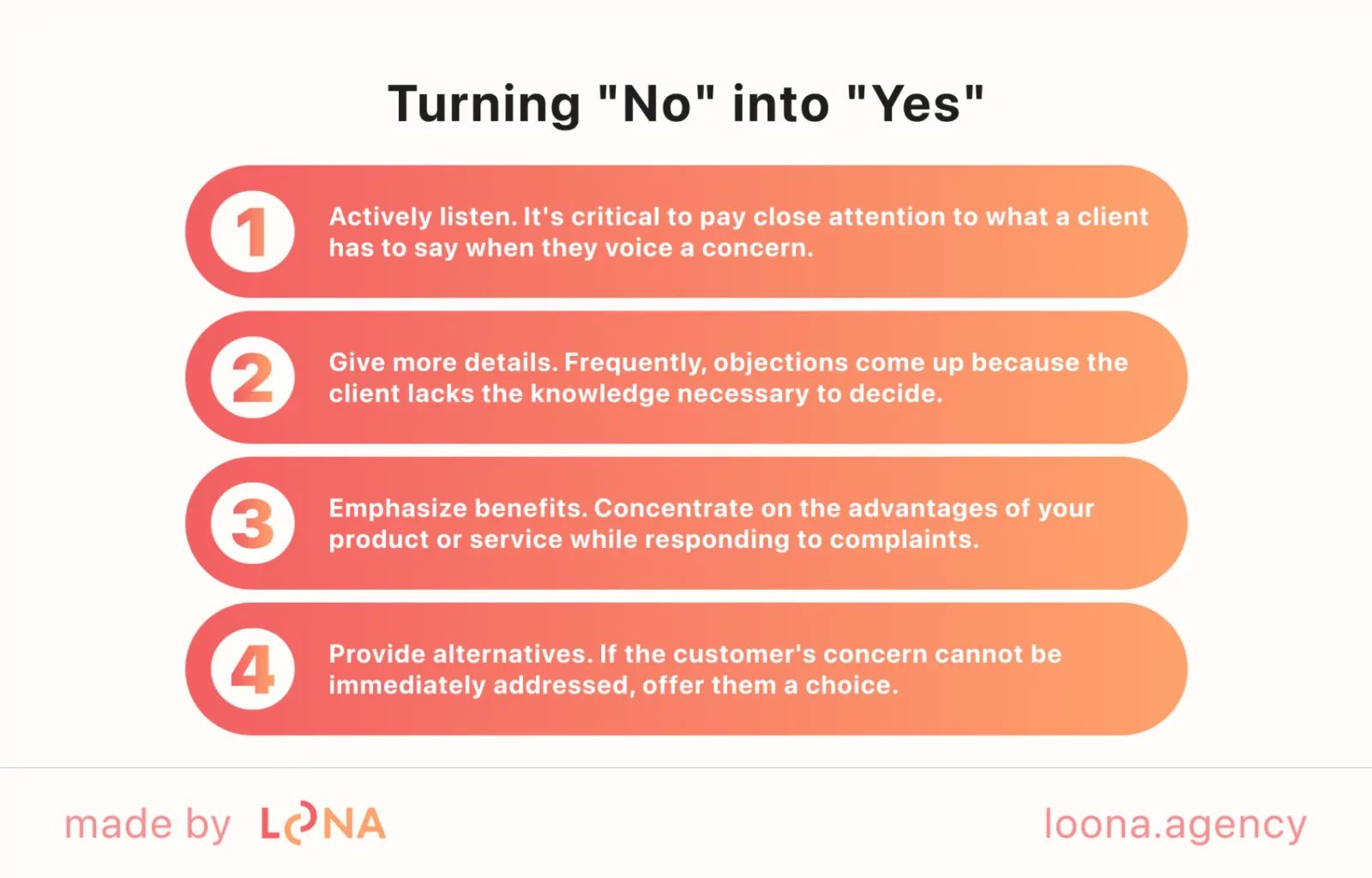
A “no” from a commercial roofing prospect is often not final. It may mean the buyer needs more information, a clearer scope, better proof, or stronger confidence in your timeline, warranty, safety process, or pricing. Prepare responses for the objections your team hears most often.
For example, if a property manager worries about price, explain lifecycle cost, maintenance needs, warranty value, and risk reduction. If they worry about disruption, explain scheduling, communication, access planning, and tenant coordination. If they are unsure about energy-efficient roofing, show practical examples and explain how the right system can support long-term building performance.
Idea #15: Strengthen your online presence
A professional website is the foundation of commercial roofing lead generation. It should include clear service pages, commercial project photos, roof system information, reviews, testimonials, case studies, service areas, team credentials, and simple conversion paths. The website should also load quickly, work well on mobile, and make it easy to request an inspection or estimate.
Your online presence should also include LinkedIn, Google Business Profile, local directories, industry platforms, and review sites. Use these channels to show real projects, answer common commercial roofing questions, share maintenance advice, and connect with property managers or developers. If you want this to become predictable, roofing lead generation services can help connect SEO, ads, content, and conversion tracking into one system.
Idea #16: Leverage targeted advertising
Targeted advertising can help commercial roofers reach prospects faster than organic channels alone. For commercial roofing, campaigns should focus on business decision-makers, facility managers, property managers, building owners, general contractors, and companies searching for specific services such as commercial roof repair, flat roof replacement, TPO roofing, emergency leak repair, or roof inspections.
The best commercial roofing ads are specific. Instead of sending all traffic to a generic homepage, create landing pages by service, roof type, emergency need, or location. A strong roofing advertising strategy should track cost per lead, lead quality, booked inspections, closed jobs, and return on ad spend — not just clicks.
Idea #17: Offer energy-efficient roofing solutions
Energy-efficient roofing can help your company stand out with commercial clients who care about operating costs, sustainability goals, indoor comfort, and long-term building performance. This is especially relevant for warehouses, retail centers, schools, medical buildings, and office properties where roof performance can affect energy use and tenant comfort.
Use this angle carefully and prove it with project examples, roof system comparisons, maintenance considerations, manufacturer documentation, and realistic expectations. Commercial buyers do not need vague sustainability claims — they need to understand when reflective coatings, cool roofing systems, insulation upgrades, or roof restoration make business sense for their building.
Idea #18: Develop a referral incentive program
Satisfied commercial clients can become one of your strongest lead sources. Create a referral program for property managers, business owners, facility teams, vendors, and past clients who can introduce you to other building owners. The incentive can be a service credit, maintenance discount, inspection upgrade, or another compliant reward that fits your market and contracts.
Make referrals easy. After a successful project, send a short follow-up email with the referral offer, ask for a review, request permission to use the project as a case study, and keep the client in a maintenance communication sequence. Word-of-mouth works best when your team makes the next step simple.
Loona’s expertise in commercial roofing lead generation
Loona helps roofing and construction companies build lead generation systems that combine local SEO, content strategy, paid advertising, website improvements, tracking, and conversion-focused messaging. The goal is not just more traffic — it is more qualified commercial roofing leads from prospects who match your services, locations, and project goals.
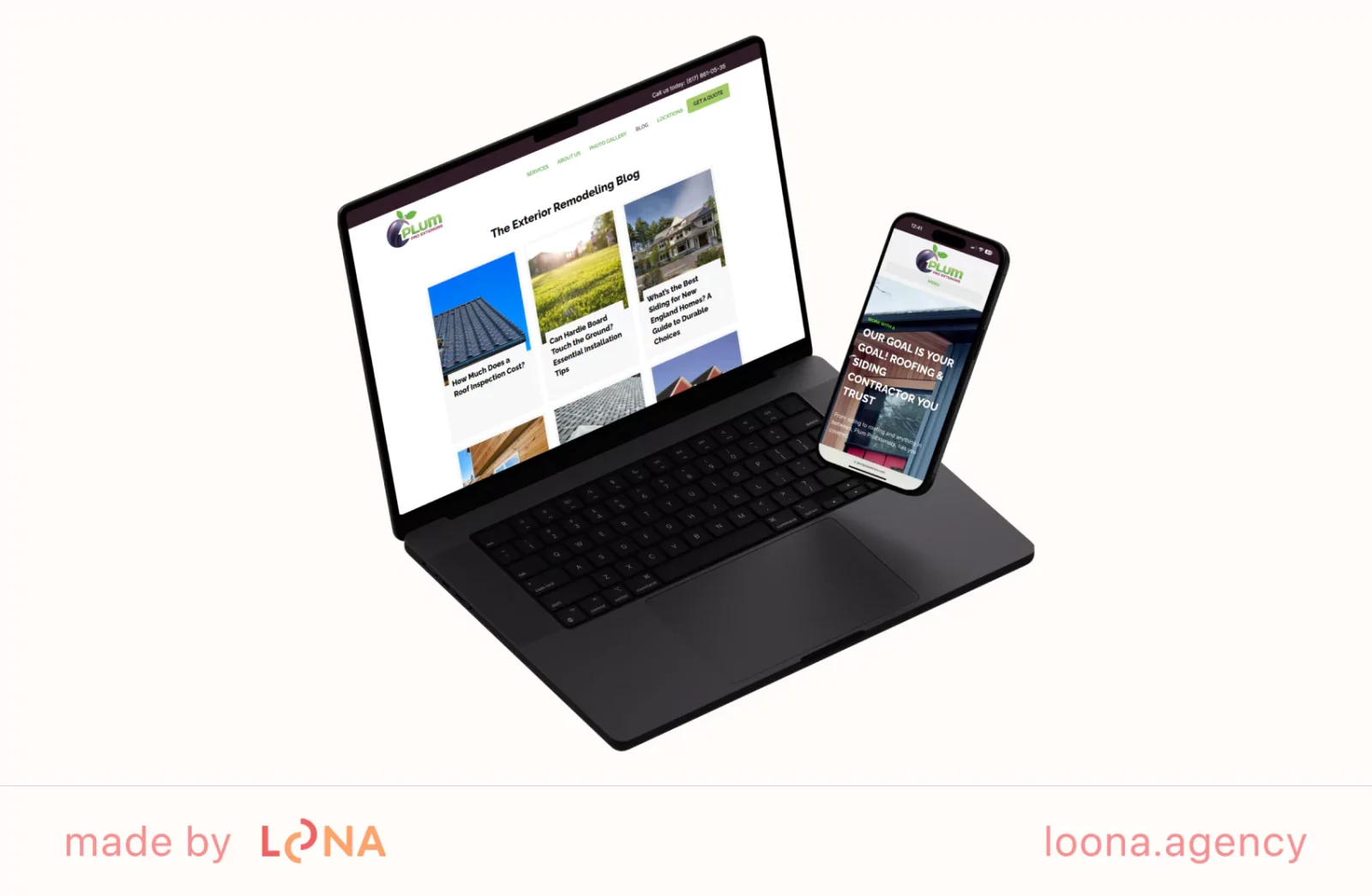
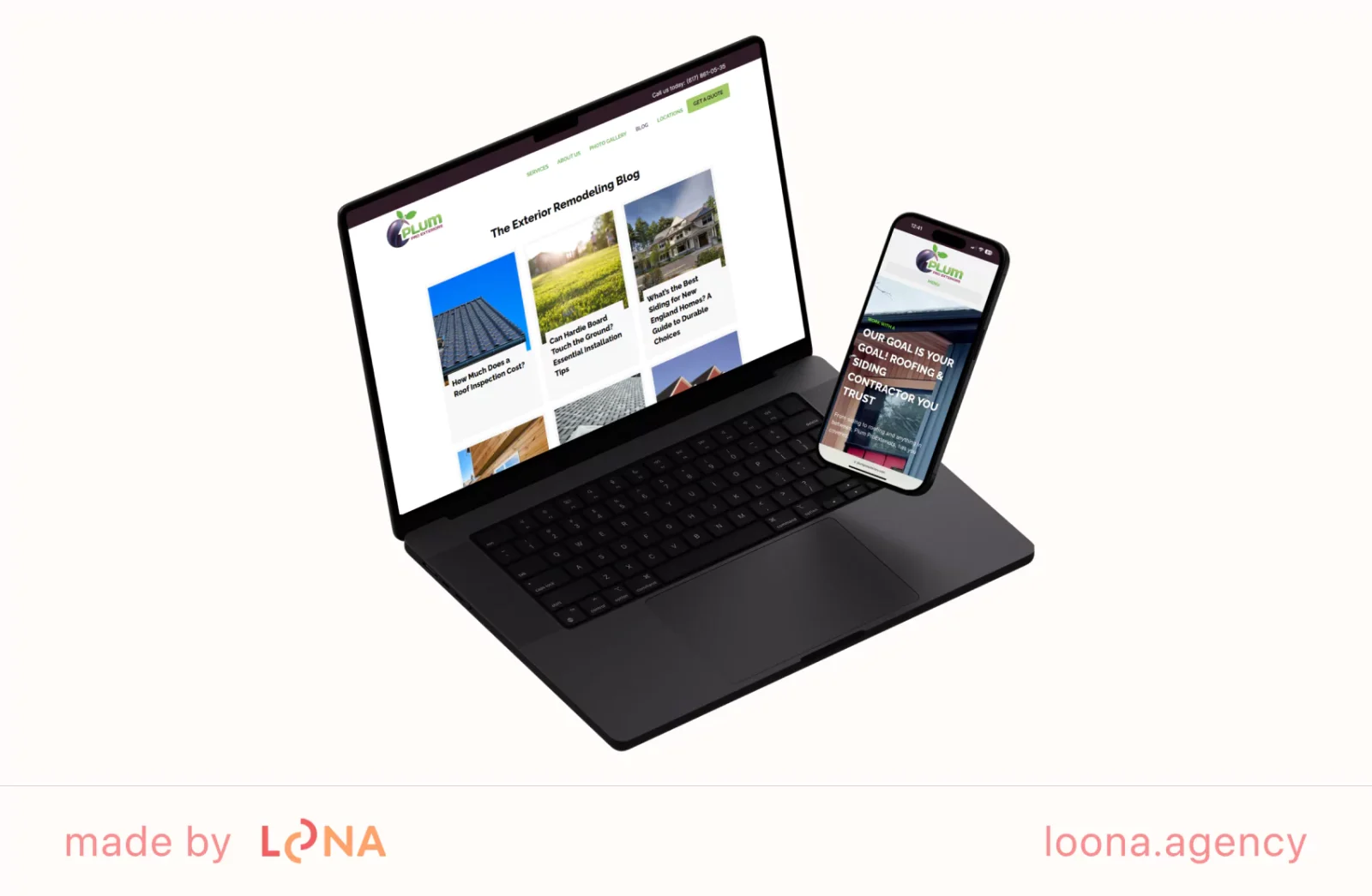
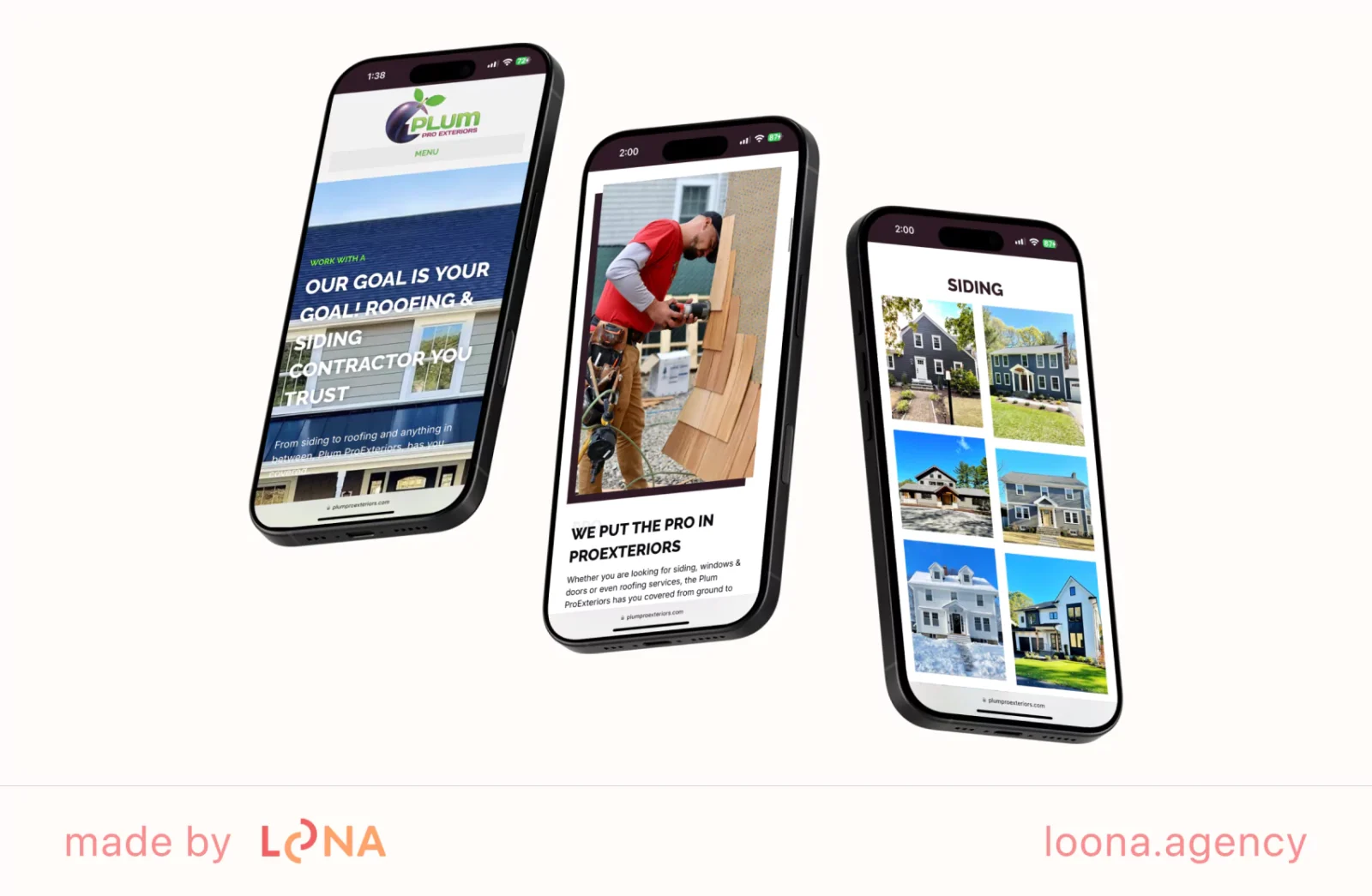
Our experience with construction and roofing marketing helps us understand the difference between generic leads and business-ready opportunities. For Plum ProExteriors, the challenge was to improve local visibility, strengthen organic performance, and create a more predictable lead generation channel.
Challenges addressed
- Lack of local exposure: Improved local visibility through keyword research, on-page optimization, Google Business Profile work, and location-focused SEO.
- Low organic traffic: Strengthened organic performance with SEO-focused content, service pages, technical improvements, and authority-building.
- Long sales cycles: Built clearer conversion paths so qualified prospects could understand the offer and contact the company faster.
- High competition: Helped the brand compete against stronger local players by improving content depth, local relevance, and domain authority.
Value delivered
- Domain rating: Increased 2x through a strategic link-building approach.
- Organic traffic: Grew 10x through SEO-focused blog content, service pages, and local optimization.
- Geographic coverage: Reached 90% coverage across priority local markets.
- Keyword rankings: Improved visibility for local and brand-specific search terms, including top 10 positions.
- Lead generation: Built a more scalable, measurable, and predictable channel with less reliance on traditional outreach alone.
With construction-focused SEO, planned content, stronger internal linking, and local optimization, we helped Plum ProExteriors grow visibility for more relevant local keywords and improve lead acquisition. For roofing companies, this shows why commercial roofing marketing works best when SEO, content, website structure, and conversion tracking support the same business goal.
Conclusion
Getting commercial roofing leads requires more than one tactic. The strongest companies build multiple lead sources: local SEO, property manager relationships, commercial bidding, referrals, maintenance contracts, paid ads, case studies, and a website that proves expertise before the first call.
Loona builds tailored marketing strategies for roofing companies that want more than low-quality inquiries. We help connect local SEO, commercial roofing content, paid advertising, website improvements, and lead tracking so your business can attract prospects who are more likely to become profitable projects.
Contact Loona today, and let’s build a commercial roofing lead generation system that supports long-term growth.
FAQ
01 How to get commercial roofing leads for your business?
The best way to generate roofing leads is by dominating the local market through networking: join real estate groups, attend trade shows, and connect with property managers. Ramp up your online game with Google My Business, reviews, and ads. Bold outreach plus strong branding equals leads pouring in.
02 How to bid commercial construction job leads?
Precision is power in how to get commercial roofing jobs! Analyze project specs, calculate materials, labor, and overhead accurately. Highlight certifications, competitive edge, and warranties in your bid. Commercial roofing leads should be tailor-made. It's about strategic pitch!
03 How much do roofers pay per lead?
Roofing contractor leads prices vary—$150+ depending on the source and quality. Exclusive leads cost more but convert better. Budget wisely, test multiple sources, and calculate ROI. Cheap commercial roofing leads aren’t always the win—you’re after quality to make an investment worthwhile.
04 What is best way to generate roofing leads?
Optimized SEO, targeted ads, and local partnerships are quite indispensable in how to get roofing leads. Partner with a professional roofing lead generation company like Loona. The strategy should focus on your brand. Where the visibility is, the results will also appear.
Love what you’re reading? Sign up for our newsletter to get our newest articles, helpful tips, and fresh marketing updates delivered right to you. No spam, just the good stuff.