


Effective advertising can help roofing companies stay visible when homeowners need repairs, replacements, inspections, storm-damage support, or emergency service. But roofing ads work best when they are tied to service areas, seasonal demand, lead quality, response speed, and trust signals — not just creative ideas.
In this guide, we collected 20 roofing advertising ideas that can help contractors plan better campaigns across Google, social media, local directories, review platforms, and CRM follow-up. The market is competitive: Roofing Contractor’s 2025 State of the Roofing Industry Report found that 72% of roofing contractors expected further growth in 2025, so the companies that track leads, respond quickly, and advertise locally will have a stronger chance of standing out.
Essential campaign guidelines
To get more value from roofing advertising, start with the basics: define your service areas, understand your best customers, track every lead source, respond quickly, and review performance by channel. Good campaign setup helps you spend budget on homeowners and property owners who are most likely to request an estimate.
1. Prioritize campaign geotargeting
For roofing business marketing, geotargeting is essential because most roofing jobs depend on service areas. Before launching a campaign, define the cities, ZIP codes, neighborhoods, or radius where your team can realistically serve customers. If you only work in one metro area, spending budget in nearby regions that you cannot serve will waste clicks and lower lead quality.
Geotargeting saves you money and increases your chances of conversion. You’re delivering your message to people in your service area who are more likely to become your customers.
2. Optimize demographic settings
In addition to geotargeting, define who should see your roofing ads. Your audience may include homeowners, property managers, commercial building owners, insurance-related prospects, or contractors looking for roofing partners. The right audience depends on whether you sell repairs, full roof replacements, inspections, maintenance, or commercial roofing services.

Specify demographic parameters: age, gender, income level, or interests. For example, if your services are more in demand among private homeowners, target your ads specifically to this category. The more precise the settings, the higher the chances that your ads will reach the right people.
3. Monitor leads, sales, and calls with CRM integration
A roofing company advertising campaign will be incomplete without a systematic analysis of results. A CRM (customer relationship management) system will help you store and analyze data on all the leads, calls, and sales you receive.
CRM integration allows you to:
- Track the source of each lead, such as roofing Google Ads, Facebook ads, Google Maps, Yelp, referrals, or organic search;
- Analyze which channels are working best;
- Manage customer contacts and reminders about the next steps.
This facilitates working with customers and helps you understand which of your efforts bring results.
4. Provide prompt feedback for better results
One of the most important factors in roofing advertising is response speed. Homeowners often contact several contractors after a leak, storm, or inspection concern, and the company that responds clearly and quickly has a better chance of booking the estimate. If someone calls, submits a form, or messages your page, your process should make follow-up immediate and trackable.
Prepare a straightforward process for handling requests so that no customer is left unattended. For example, you can set up automatic responses for requests via your website or social networks that will notify the customer that you will contact them soon.
The faster you respond to a client’s request, the more likely you are to be selected to do the job.
5. Regularly review and adjust performance metrics
It is important to monitor results constantly and make adjustments. That’s what will make a campaign effective.
Analyze key indicators:
- CTR — click-through rate;
- CPL — cost per lead;
- CPA — cost per acquired customer;
- Booked estimates;
- Call answer rate;
- Conversion rate by channel.
If you see that some of the ads go worse than others, do not be afraid to change them. Try new headlines, images, or target audiences. Due to timely changes, you will avoid unnecessary costs and the campaign will be as effective as possible.
Read also: Google Search Console vs Google Analytics: A Full Analysis
Social media roofing ads ideas
Social media can help roofing companies build trust before a homeowner requests an estimate. Platforms like Facebook, Instagram, and TikTok work especially well for project photos, before-and-after content, storm-season reminders, customer testimonials, financing messages, and retargeting campaigns.
Let’s look at some roofing advertising ideas that will help effectively promote services on social media.
6. Utilize look-a-like audience
Social networks such as Facebook or Instagram are effective tools for setting up advertising for a similar audience. This means you can target people with interests, behaviors, or demographics identical to your existing customers.
This is a strong way to expand your audience without starting from a completely cold group. If you have enough customer data, website visitors, form submissions, or engaged social users, you can build lookalike audiences based on people who already showed interest in your roofing services. Test these audiences carefully and compare lead quality, not just click volume.
7. Employ retargeting
It is a powerful tool that allows you to remind people about your company who have visited your site or interacted with your ads but have not yet made a purchase or left a request. For instance, you can set up such clever roofing ads for people who have viewed your services but have not filled out a form for a consultation or called.
Retargeting helps you re-engage people who already visited your roofing pages, watched a project video, clicked an ad, or started a form but did not request an estimate. Use different messages for different actions: storm-damage proof, financing options, inspection offers, testimonials, or a reminder to schedule a roof assessment.
8. Use client testimonials and live videos as creatives
Customer testimonials and real-life stories are some of the most effective forms of roofing advertising. They build trust in your company and can convince potential customers to select you. Reviews from real people who have used your services demonstrate the quality of your work and reliability. They also help to clear up any questions and doubts that may arise.
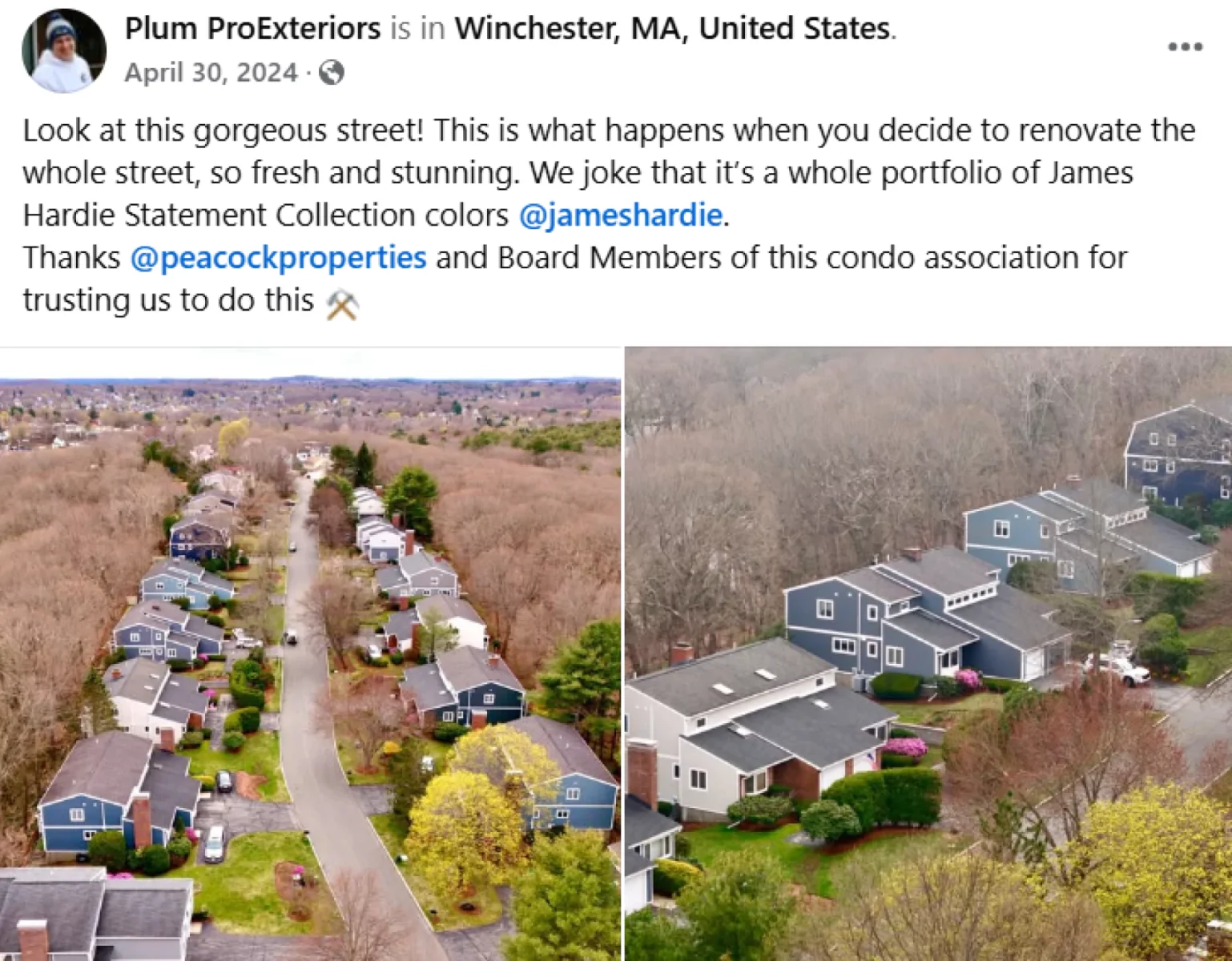
Besides text reviews, live videos also have great potential in advertising. For example, videos of your work process, interviews with satisfied customers, or demonstrations of the results of your work (such as a new roof on a house) can attract even more attention.
Live videos and testimonial clips can make roofing ads feel more credible because they show real projects, crews, materials, timelines, and customer experiences. Use them to answer practical questions: what the roof looked like before, what problem was fixed, how long the work took, and what the homeowner appreciated.
Read also: How Much Does Local SEO Cost?
9. Create seasonal or weather-based promotions
Weather can strongly influence roofing demand, so seasonal campaigns should be planned before the busy moment arrives. Create campaigns around storm season, spring inspections, summer replacements, fall maintenance, winter leak prevention, and post-storm emergency checks. The goal is to match the message to the homeowner’s current risk or need.
Such promotions can be actively promoted through social media, as they have a limited time, which creates a sense of urgency in customers. This can motivate people to act faster and use your services during this period. You can promote through targeted ads, posts, and stories about special offers or discounts for specific customers.
Not sure which months to push hardest? Our 2026 roofing seasonality study analyzed 800 keywords across 10 states and found that peak search months range from March (Ohio) to August (North Carolina). Aligning your ad spend with these state-specific windows can improve campaign ROI.
Google roofing ads ideas
Google advertising can be one of the strongest channels for roofing companies because many homeowners search when they already need help. A good campaign should connect local keywords, negative keywords, call tracking, landing pages, Google Business Profile signals, and budget control so you can see which searches turn into real roofing leads.
Let’s check effective advertising for roofing business through Google.
10. Effectively manage targeted and negative keywords
One of the key elements of a successful Google advertising campaign is the proper keyword setup. It’s essential to choose both targeted and negative keywords carefully.
Targeted keywords are the search terms potential customers use when they need roofing help. For roofing company advertising, these may include “roof repair near me,” “roof replacement cost,” “emergency roof leak repair,” “storm damage roof inspection,” or “commercial roofing contractor.” Match keywords to the service, location, and urgency behind the search.
Negative keywords are words or phrases you don’t want to appear in search results. For example, suppose you specialize in roof repairs but don’t manufacture roofing materials. In that case, you might want to add phrases like “buy roof materials” or “quality roofing materials” to your negative keywords. This will help you avoid wasting money on advertising that won’t lead to sales.
11. Focus on local roofing keywords
Since most roofing companies operate in specific service areas, local keywords should match how customers actually search. If your company operates in Chicago, test phrases such as “roof repair Chicago,” “roof replacement Chicago,” “storm damage roof repair Chicago,” or “commercial roofing Chicago.”
Local keywords help you focus on customers who need your services in a specific location. This also allows you to reduce competition for general keywords and get high-quality traffic.
12. Reduce CPC with on-page SEO optimization
CPC is the amount you pay for each ad click, but lower cost is not only about bidding. Landing page relevance, page speed, clear service information, mobile usability, and conversion paths can all affect campaign efficiency. A stronger roofing SEO foundation can support both organic visibility and paid campaign performance.
Ensure your site loads quickly, has clear information about your services, and has relevant content that answers potential customers’ questions. This will help you lower your CPC and improve your position in organic search results, which will also help you grow your customer base. For context on organic alternatives: our roofing keyword analysis found that emergency roofing keywords have an average CPC of $11.60 but near-zero organic competition (Ahrefs KD 4.3) — ranking organically for these terms can offset significant paid spend.
13. Use ad extensions to enhance visibility
You should use ad extensions to make your roof advertising more attractive and visible. These tools in Google Ads allow you to add additional information to your ad, making it more visible.
Use ad assets to make roofing ads more useful before the click. Call assets, location assets, sitelinks, callouts, and structured snippets can highlight services such as emergency roof repair, free inspections, financing, warranties, storm damage support, or commercial roofing.
It’s also vital to employ location extensions. This allows you to add your business address directly to your ad, which is especially useful for local businesses. Customers can see your address, phone number, or a location map without visiting your website.
14. Employ Dynamic Search Ads
Dynamic Search Ads can help cover search queries that are not already in your keyword list by using your website content to match relevant searches. For roofers, DSA works best when your site has clean service pages, clear location pages, and accurate content. It should still be controlled with negative keywords, exclusions, and conversion tracking.

This can be useful for roofing companies because, by default, Google will automatically adjust your ad to the content of your site to let you cover more queries and make your advertising campaigns for a roofing company more effective.
Advertising on business directories
Directory advertising can support roofing visibility when people are comparing local contractors and reading reviews. Use directories as part of a broader system: consistent business information, strong reviews, service-area accuracy, call tracking, and clear profile messaging.
15. Use Yelp Ads for visibility
Yelp is one of the most used websites to find a local business, and it is the exact place where you can advertise your roofing company. Since most of the users on Yelp are looking for services around their vicinity, you can directly capture new customers in your area with advertising on this platform.
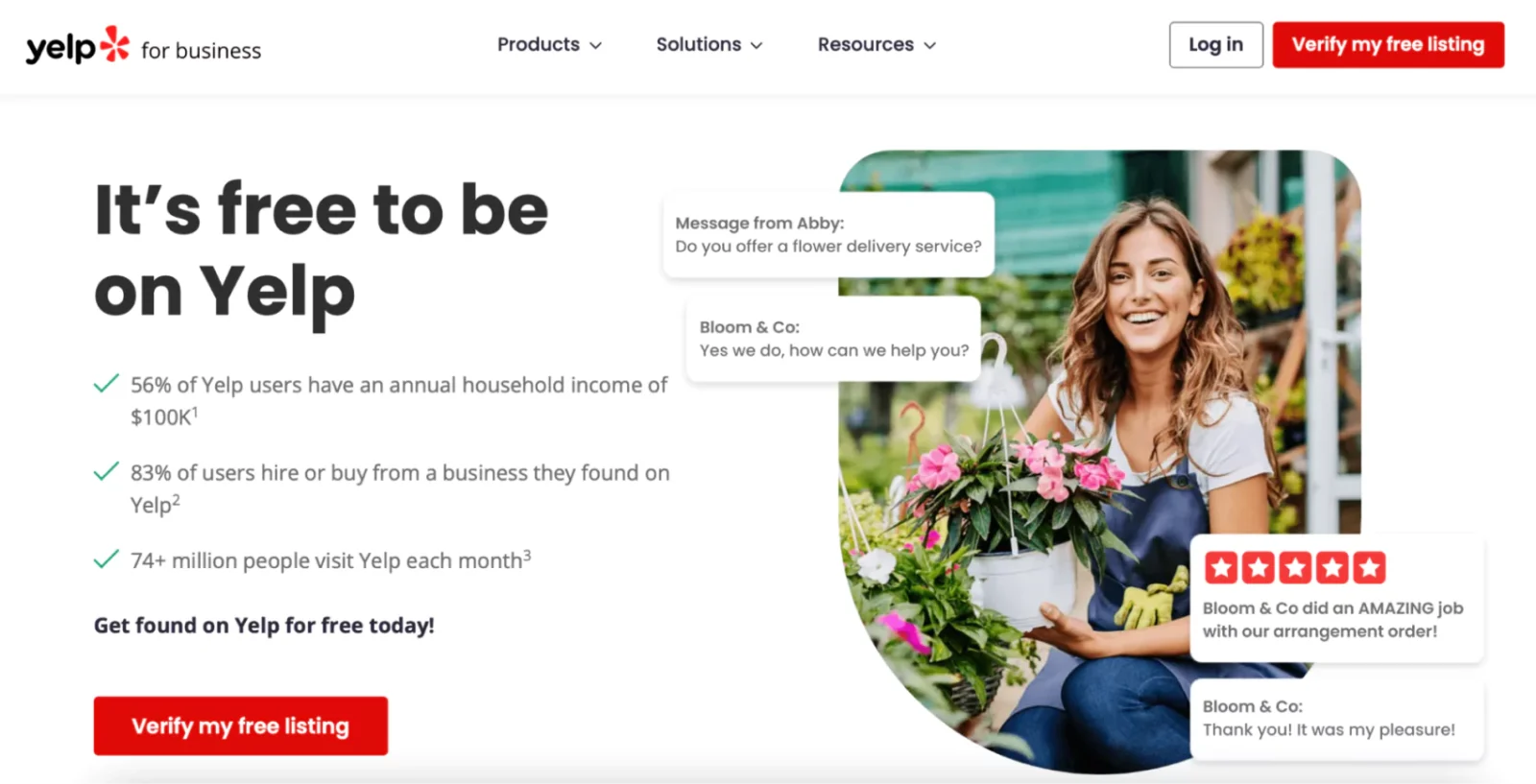
Yelp Ads will help raise the visibility of your business in search results. It allows you to set up location targeting, meaning you are able to reach just those customers in need of roofing services in your area. This will also let you increase the number of clicks to your page and raise the chances of conversions.
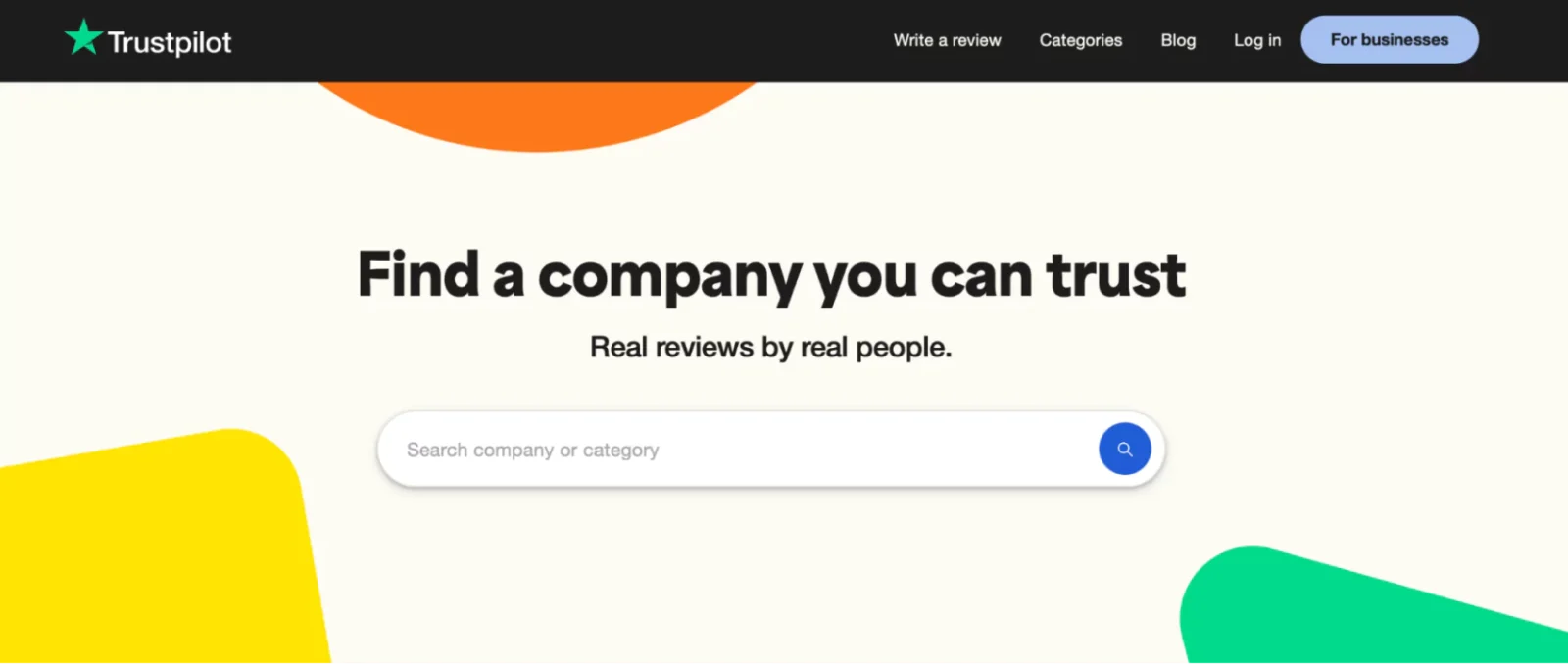
16. Promote with Tripadvisor and Trustpilot Ads
Trustpilot can support roofing reputation if your customers use it to evaluate local service providers. Tripadvisor is usually less relevant for standard residential roofing unless you work with hotels, hospitality properties, or commercial clients in travel-heavy markets.
This again means attracting customers with Tripadvisor Ads will be effective in cases when your business provides services either for individuals, small businesses, or even for the hotel and hospitality industry.
Read also: 10 Proven Garage Door Marketing Ideas
But that is not all. Another important platform is Trustpilot-such a strong tool to collect and showcase reviews from satisfied customers. Positive reviews of your profile engender trust in one’s brand, plus an increase in inquiries into services.
17. Maximize exposure with Google Maps Ads
Google Maps visibility matters because roofing customers often search locally and compare nearby contractors. If you use Maps-related ads or local campaigns, connect them with local SEO for roofing companies, a complete Google Business Profile, accurate service areas, strong reviews, and call tracking.
With Google Maps advertising, you can show your ads right on the map when people are searching for urgent services or need some kind of professional. In this case, that’s the right moment when your business can be noticed, right when a future customer tries to find a solution for his or her problem somewhere around. Google Maps advertising effectively underpins other geo-targeting strategies and is, therefore, integral to the marketing strategy of a roofing company.
18. Ensure consistent and professional branding
It is very important to remember that your roofing branding is consistent and professional across all platforms. Be it Yelp, Google Maps, or Trustpilot, the message and visual style should be identical to build trust and consistency in the perception of your business with potential customers.
Make sure that your profile is clear and appealing, reflecting your specialization, services, and customer reviews. Use professional photos and provide contact information so customers can quickly reach you. Consistently branded roofing advertising looks solid, adds credibility to your business, and helps attract more customers.
19. Utilize premium listing features on directories
Most business listings allow for using premium features for listing your businesses with an added advantage over others. This could include raising your business higher in search results or highlighting your profile on the site.
Using premium features such as paid packages or advertising spaces can help your roofing company stand out. The higher your ranking on the platform, the more likely a potential customer will select you over a competitor.
20. Encourage satisfied customers to leave reviews
Reviews are one of the most important trust signals in roofing advertising, which is why ongoing reputation management for roofing companies pays off. Ask satisfied customers to leave feedback on the platforms where prospects compare contractors, such as Google, Yelp, Angi, Facebook, or industry-relevant directories. Make the process simple, respond professionally, and use review themes in ad messaging when they reflect real customer experience.
Positive reviews help build trust in your brand, boost your reputation, and create a sense of trustworthiness among potential customers. Ask for reviews, as they can be a deciding factor in choosing your company.
Exploring the Plum ProExteriors case study
We helped Plum ProExteriors, an exterior remodeling and roofing-related company, improve local visibility and attract more customers from targeted service areas.
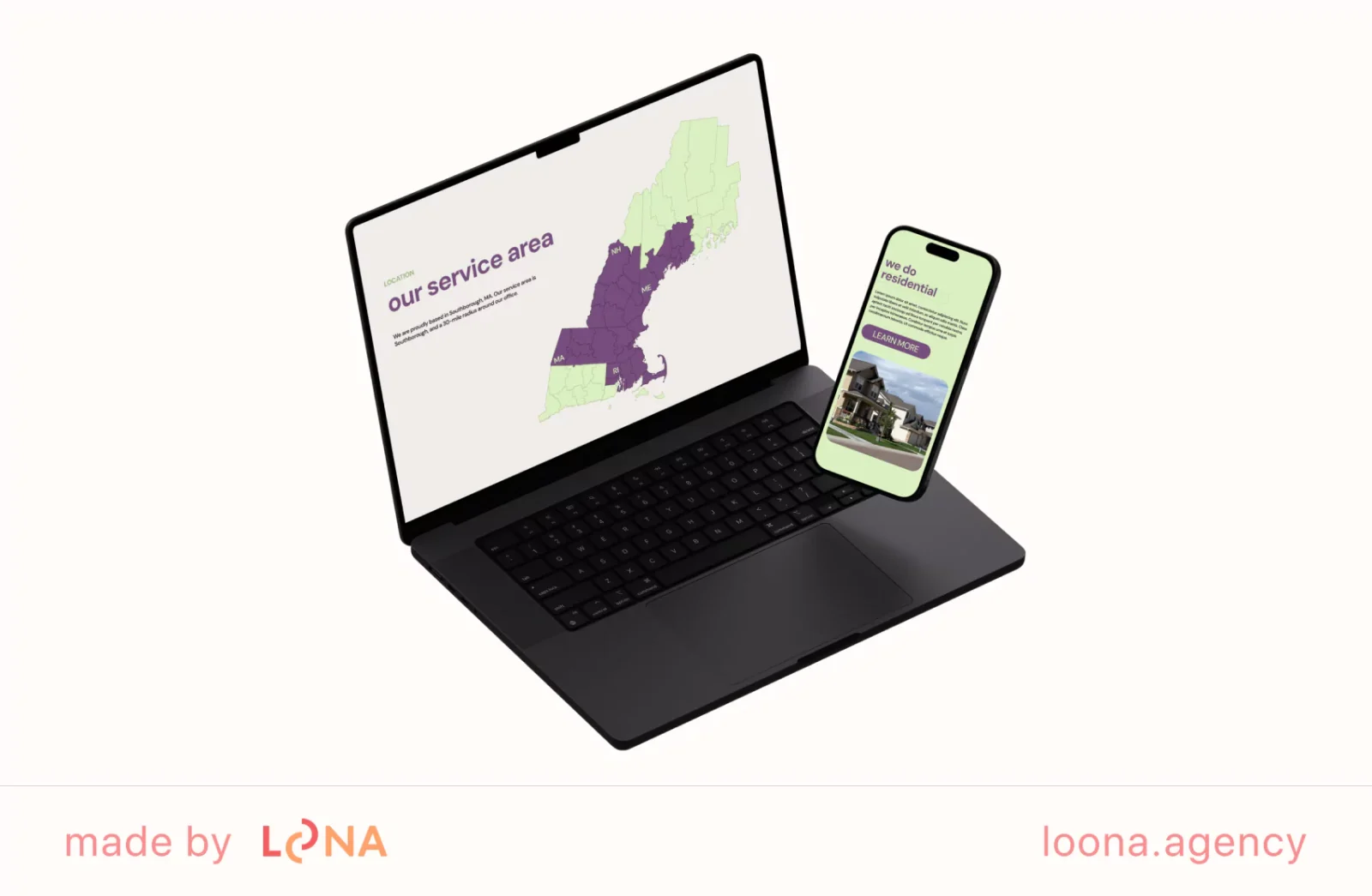
With a focused SEO and local visibility strategy, the project improved authority, organic traffic, and service-area visibility. These results helped strengthen brand credibility and support a stronger digital presence in the local market.
Project results:
- Domain rating (DR): Grown by 2x.
- Organic traffic: Enhanced by 10x.
- Geographic market coverage: visibility across 90% of target cities
- Brand keyword dominance: Rank #1
- Local page visibility: Top 10 rankings
Final thoughts
Use these roofing advertising ideas as a testing framework, not a checklist to launch all at once. Start with the channels closest to revenue: local search, Google Ads, Maps visibility, retargeting, reviews, and fast lead follow-up. Then expand into social creatives, directories, and seasonal campaigns once tracking shows what drives qualified estimates.
Want to improve your roofing advertising without wasting budget? Loona helps roofing companies plan campaigns around service areas, lead quality, call tracking, reviews, landing pages, and measurable growth. Contact us to build a strategy that turns local demand into booked roofing opportunities.
FAQ
01 Where do roofers advertise?
Roofers advertise on platforms where homeowners and property owners look for local contractors. Common options include Google Ads, Google Maps, Local Services Ads, Facebook and Instagram ads, business directories, review platforms, yard signs, referral programs, and local sponsorships.
02 What’s the best platform to advertise on?
The best platform depends on your service area, budget, offer, and lead goal. Google Ads and Maps can capture high-intent searches, Facebook and Instagram can support retargeting and project proof, while Yelp, Angi, Google Business Profile, and review platforms can help customers compare local contractors.
03 How much should a roofing company spend on marketing?
Roofing advertising budget depends on market competition, service area, seasonality, average job value, close rate, and growth goals. Instead of using only a fixed percentage of revenue, track cost per lead, cost per booked estimate, close rate, and revenue by channel to decide whether your budget is working.
04 How to be successful selling roofs?
To sell more roofing jobs, combine clear positioning, local visibility, strong reviews, fast response, helpful estimates, project proof, and consistent follow-up. Advertising can create demand, but closing roofing work also depends on trust, communication, pricing clarity, and how quickly your team handles inquiries.
Love what you’re reading? Sign up for our newsletter to get our newest articles, helpful tips, and fresh marketing updates delivered right to you. No spam, just the good stuff.