



If you’re an HVAC contractor trying to grow your business, one of the biggest challenges is being visible when local customers need help. Homeowners and property managers often search quickly for AC repair, furnace replacement, emergency HVAC service, maintenance, or installation companies nearby. HVAC SEO helps your business appear for those high-intent searches, build trust before the first call, and turn local visibility into qualified leads.
In this guide, we’ll break down how HVAC companies can build an SEO foundation that supports calls, quote requests, booked appointments, and long-term local visibility. You’ll learn how to understand customer search behavior, improve service pages, strengthen Google Business Profile signals, create useful HVAC content, and avoid common SEO mistakes that can limit lead generation.
This guide is a roadmap for improving HVAC SEO without turning your website into a keyword-stuffed landing page. Whether you’re just getting started or fixing an underperforming site, the goal is to make your business easier to find, easier to trust, and easier to contact.
Understanding your audience and most popular requests
The foundation of effective HVAC SEO is understanding who your customers are, what problem they need solved, and how urgently they are searching. HVAC customers may be looking for emergency repairs, seasonal maintenance, system replacement, indoor air quality, duct cleaning, or energy-efficiency advice. Your content and keyword strategy should reflect those different levels of urgency and intent.
The following are a number of practical HVAC SEO tips for identifying your primary audience and the most pertinent keywords for your HVAC SEO strategies:
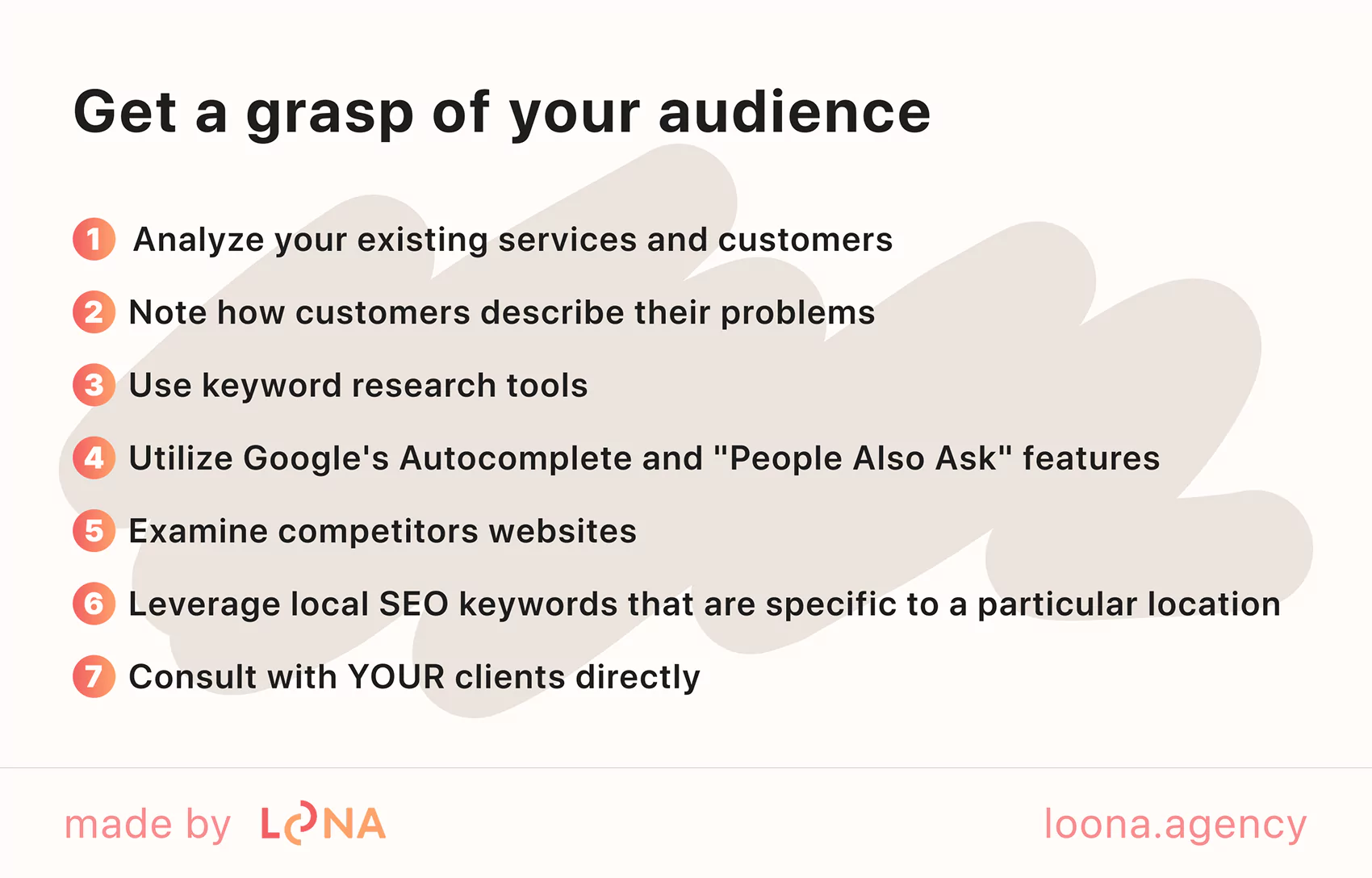
1. Analyze your existing services and customers
Begin by conducting an assessment of your clientele.
- Which customers are you consistently catering to—small enterprises, landlords, or homeowners?
- What services are they most likely to request?
You will be able to determine the most in-demand offerings and the categories of clients you wish to attract by reviewing your previous work. This information influences both your content strategy and keyword targeting.
2. Note how customers describe their problems
Industry terminology often differs from the language customers use. A homeowner is more likely to search for “AC not cooling,” “furnace making noise,” “why is my energy bill so high,” or “emergency HVAC repair near me” than for technical phrases like “HVAC system performance degradation.”
Make it a habit to observe the manner in which consumers articulate their concerns in service request forms, emails, or phone calls. The utilization of this real-world language in your content enhances its discoverability and relevance.
3. Use keyword research tools
Keyword research tools, whether they are free or paid, can offer a more comprehensive understanding of search behavior. Tools like Ubersuggest, Ahrefs, Google Keyword Planner, and SEMrush can assist in identifying keyword volume, competition level, and related keyword phrases. Utilize them to verify the terminology employed by your consumers and identify novel SEO HVAC opportunities for visibility.
4. Utilize Google’s Autocomplete and “People Also Ask” features
Google’s built-in tools are useful for identifying prevalent queries. In the search bar, begin typing common HVAC services and observe the results that Google provides. Additionally, investigate the “People Also Ask” box—these inquiries are frequently searched by users and offer robust keyword and content opportunities directly related to user intent.
5. Examine competitors websites
Study the keywords that your local competitors rank for. Ahrefs and SEMrush are among the tools that enable users to determine which search terms generate traffic to their websites. Such competitor insights assist you in the identification of content voids, keyword opportunities, and benchmarking performance for your own SEO for HVAC strategy.
6. Leverage local SEO keywords that are specific to a particular location.
Local keywords are essential for HVAC SEO because most customers need a contractor who serves their area. Use city names, neighborhoods, and service-area modifiers naturally in service pages, metadata, headings, and FAQs — for example, “furnace repair in Denver” or “emergency AC service in Miami.”
7. Consult with YOUR clients directly
Ask customers how they found your business and what they searched before contacting you. Post-service surveys, call notes, form submissions, and customer questions can reveal the exact language people use when they need HVAC help. These insights are often more useful than assumptions because they come directly from your audience.
Understanding your target demographic and how they search sets the tone for the rest of your HVAC contractor SEO campaign. It guarantees that your content is both search engine optimized and align with actual requests of your target audience.
Optimizing on site SEO for HVAC
The next step is making sure your website helps both search engines and customers understand what you do, where you work, and how to contact you. A strong HVAC website should be technically clean, mobile-friendly, easy to navigate, and clear enough for a visitor to choose the right service quickly.
Study and enhance certain basic components of on site SEO for HVAC. The most important aspects of SEO for HVAC companies are clarity, usefulness, and content, as they instantly increase your internet visibility and credibility.
The following HVAC on site SEO areas are crucial to evaluate and improve:
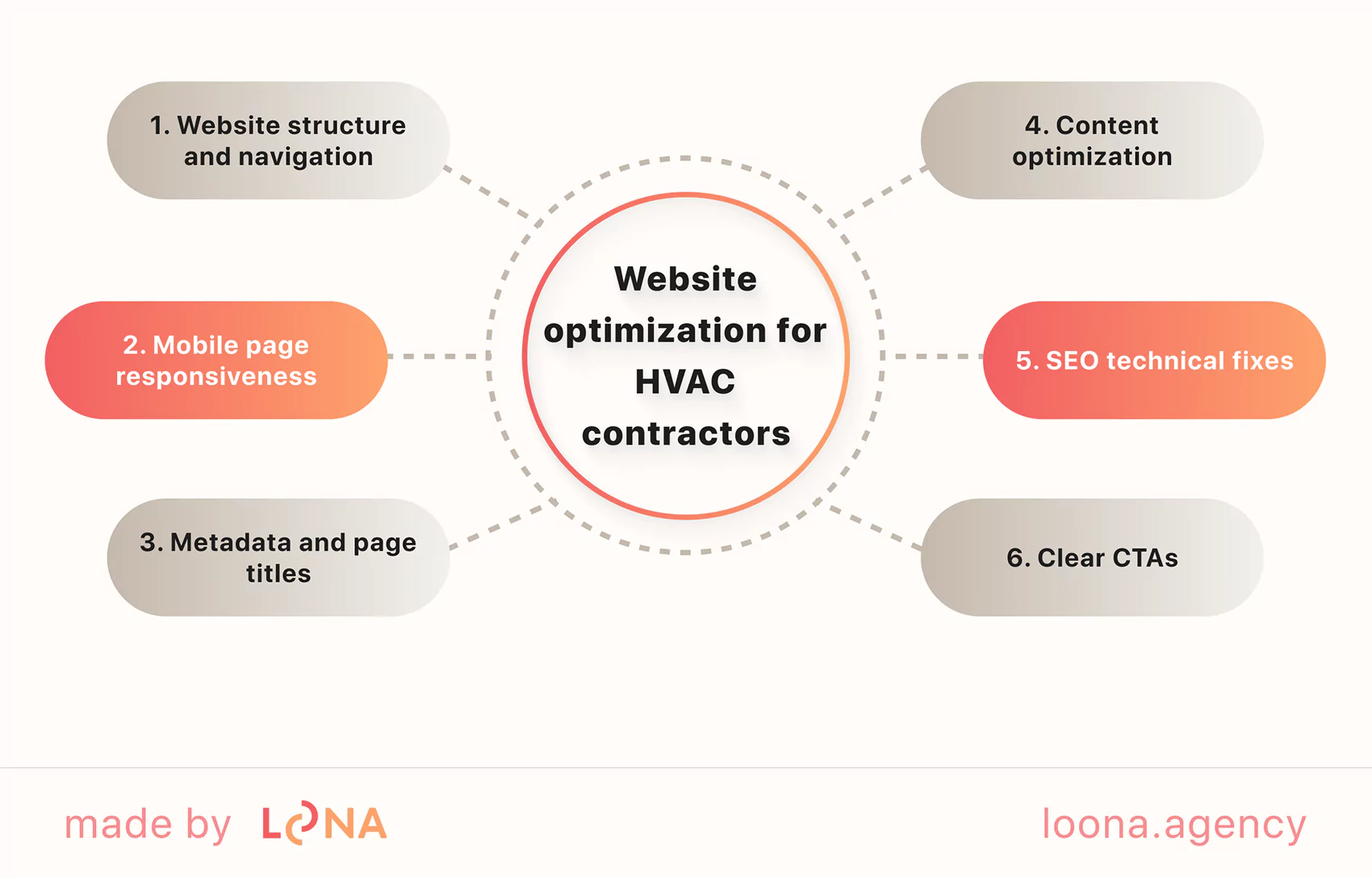
1. Website structure and navigation
A clear site structure helps users and search engines understand your HVAC services. Your navigation should make it easy to find AC repair, furnace repair, installation, maintenance, emergency service, and service-area pages. Strong on-page SEO also helps each page target one clear service and one clear search intent.
- Useful practice. Make a basic sitemap that connects the homepage to any core service page in no more than three clicks.
2. Mobile page responsiveness
Quickly loading and mobile optimized websites improve user experience and search engine results. In SEO for HVAC company, being responsive is no less than crucial. Search engines increasingly give mobile usability top priority when determining rankings.
- Useful practice. Google PageSpeed Insights or GTmetrix to find and address performance problems. To begin, reduce the size of huge images and eliminate unnecessary scripts.
3. Metadata and page titles
Your page titles and meta descriptions help search engines comprehend your content and present it to those searching for it in search results. These minor details have the power to affect users’ decisions to visit your website.
- Practical recommendation. Write unique meta descriptions (less than 160 characters) and title tags (less than 60 characters) for every page that contain pertinent keywords and a distinct value proposition.
4. Content optimization
Every HVAC service page should focus on a specific service, location, and customer need. Use headings to organize the page, answer common questions, explain your process, mention trust signals, and include clear next steps such as calling, booking service, or requesting a quote.
- Practical recommendation. Go over your top pages and add one primary keyword in the H1, at least one subheading, and within the first 100 words of content.
5. SEO technical fixes
Technical issues can stop strong HVAC content from performing. A technical SEO audit can check crawlability, indexation, redirects, broken links, page speed, mobile usability, structured data, XML sitemaps, and robots.txt so important service pages are easier to discover and understand.
- Ultimate advice. Perform a brief site audit using a program like Screaming Frog or Sitebulb, or ask professionals such as Loona to address any broken links, redirect errors, or issues with missing sitemaps or robots.txt.
6. Clear CTAs
Whether it’s making an appointment for a service, completing a contact form, or giving your company a call, each page should direct users to a certain activity. CTAs (calls to action) ought to be visually noticeable and, when appropriate, repeated.
- Ultimate advice. At the top and bottom of each service page (and in the middle as long as it’s not stuffing), place a visible, clickable button (such as Book Now or Get a Free Quote).
Your HVAC SEO strategy is anchored by a well-optimized website. The enhancements above call for attention to detail but don’t necessitate a complete redesign of the website. If you start with these areas, you’ll have no trouble converting search traffic into one of the profitable deals!
Local SEO for HVAC contractors: reaching hot customers
Local SEO is essential for heating and cooling companies because many customers search when they need fast help nearby. This is especially true for emergency AC repair, furnace issues, seasonal tune-ups, and system replacement research. With a strong local SEO and HVAC content plan, your company can improve visibility for service-area searches and build trust before a customer calls.
To increase your exposure and reputation, it’s important to optimize your Google Business Profile, make sure your company information is correct everywhere, and gather feedback from satisfied customers.
In local SEO for HVAC business, location-based keyword targeting is another crucial component. HVAC professionals should incorporate the most relevant keywords with the name of an area into their website content and blog posts.
If you serve multiple cities or service areas, create useful local pages only when you can make them unique. Each location page should include the services offered there, local proof, reviews or project examples, contact options, and practical information for that market. Avoid thin duplicate city pages that only swap the location name.
As a last step, you can increase your regional SEO authority by constructing local citations and backlinks. Search engines and prospective customers will view your company with more credibility if you submit it to respected local directories like HomeAdvisor, Yelp, and Angi. As well as to the websites of your local chamber of commerce.
When combining local SEO for HVAC company with consistent consumer engagement (replying to reviews and keeping up with social media), you produce a reliable digital footprint, which, in turn, increases the number of appointments booked through online searches.
Local HVAC SEO tips:
- Claim and optimize your Google Business Profile.
- Use consistent NAP (Name, Address, Phone) information across all platforms.
- Target local keywords in your content and metadata.
- Create city-specific service pages for each location you serve.
- Embed Google Maps on your website.
- Encourage satisfied customers to leave reviews and respond professionally to both positive and negative feedback.
- Submit your business to relevant local directories.
- Use schema markup to enhance your local listings.
- Maintain an active presence on social media.
- Monitor and analyze local SEO performance with tools like Google Analytics and Google Search Console.
When it comes to attracting local, high-intent customers, HVAC contractors can’t do better than local SEO. When local clients have the greatest need for your services, you can position your organization to be there for them. You can increase your leads and establish your reputation for long-term trustworthiness in the neighborhood by investing in local search visibility.
Content marketing for HVAC leads
Content marketing can help HVAC contractors attract and educate customers before they are ready to book service. Useful content can answer questions about AC repairs, furnace issues, maintenance, indoor air quality, energy bills, and when to replace a system. This matters because heating and cooling are a major household concern: ENERGY STAR notes that nearly half of the energy used in a home goes to heating and cooling. Content that explains efficiency, maintenance, and replacement options can therefore support both SEO and customer trust. Customers in your area actively seeking what you sell are more likely to come across your website if you accomplish this.
Here are the types of HVAC search engine optimization content to attract customers:
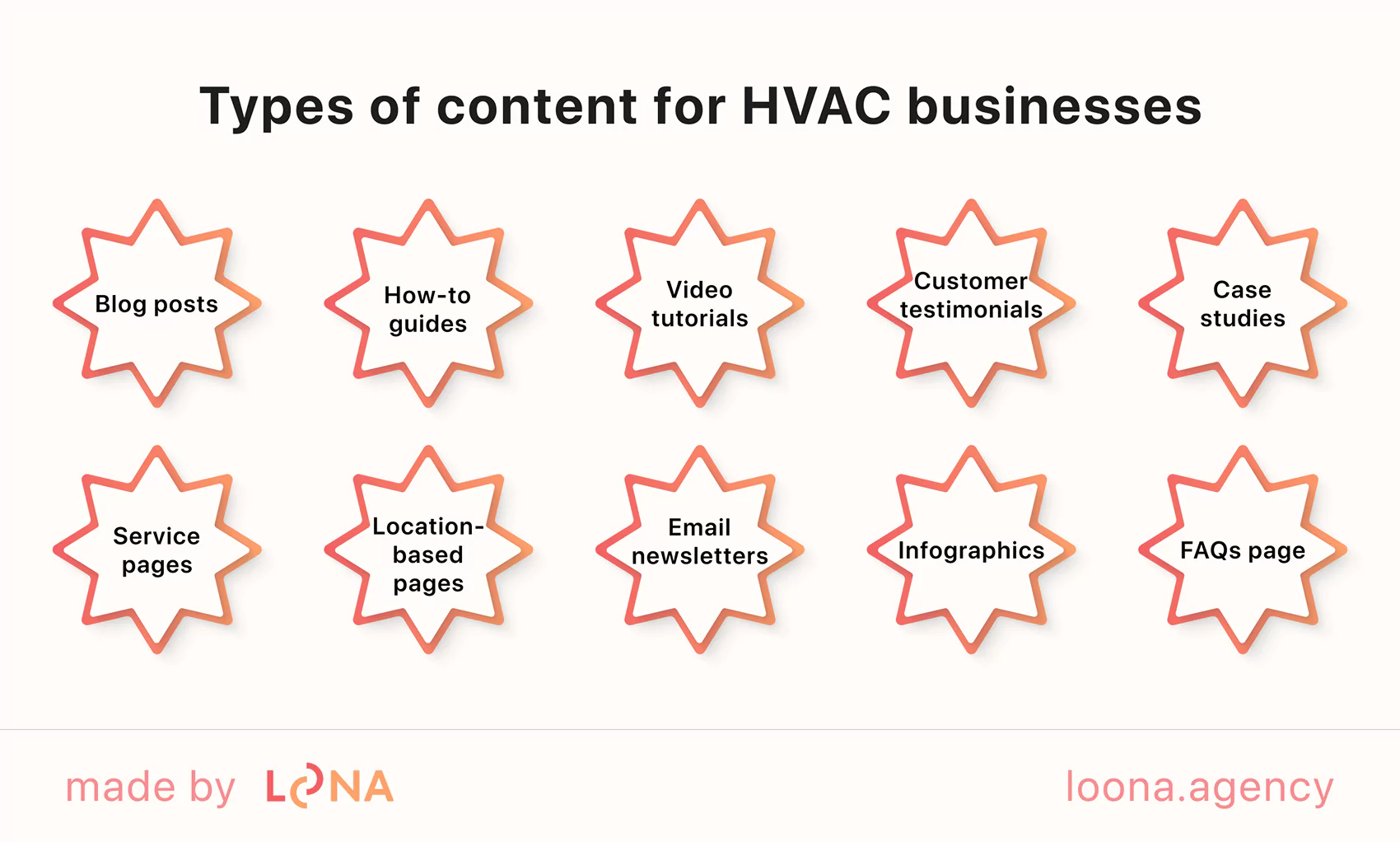
Blog posts
Regular articles that answer common HVAC questions, provide seasonal tips, explain maintenance benefits, and help homeowners understand when to repair, replace, or schedule service.
How-to guides
Step-by-step instructions for simple tasks like changing air filters or setting thermostats, empowering homeowners and showing your expertise.
Video tutorials
Short, engaging videos that demonstrate maintenance tips or showcase your team in action—great for social media and building familiarity.
Customer testimonials
Written or video reviews that highlight positive customer experiences, building social proof and trust for new visitors.
Case studies
In-depth stories showing how you solved specific HVAC problems, often with before-and-after photos, to demonstrate real-world results.
Service pages
Individual pages for each core service, such as AC repair, furnace repair, duct cleaning, heat pump installation, indoor air quality, and emergency HVAC service. These pages help match search intent and clarify what customers can book.
Location-based pages
Pages tailored to the cities or neighborhoods you serve, which help improve your visibility in local search results.
Email newsletters
Monthly or seasonal emails with reminders, maintenance tips, and promotions to stay connected with past and potential customers.
Infographics
Visual content explaining how systems work or offering energy-saving tips, perfect for social sharing and website engagement.
FAQs page
A centralized resource that addresses common questions about HVAC systems, services, pricing, and scheduling, reducing friction for leads.
HVAC content marketing can start small if it is focused. Prioritize the pages and topics that support real customer decisions: emergency repairs, seasonal tune-ups, system replacement, maintenance plans, service areas, and common cost or efficiency questions. The right mix of informational, local, and service-focused content can attract better leads without publishing content just for volume.
The most common SEO mistakes for HVAC contractors
SEO for HVAC businesses can generate steady local leads, but small mistakes can limit visibility, waste content effort, and reduce calls. The most common problems usually involve weak local signals, thin service pages, poor mobile performance, missing tracking, and inconsistent business information. Let’s review the issues and how to fix them.
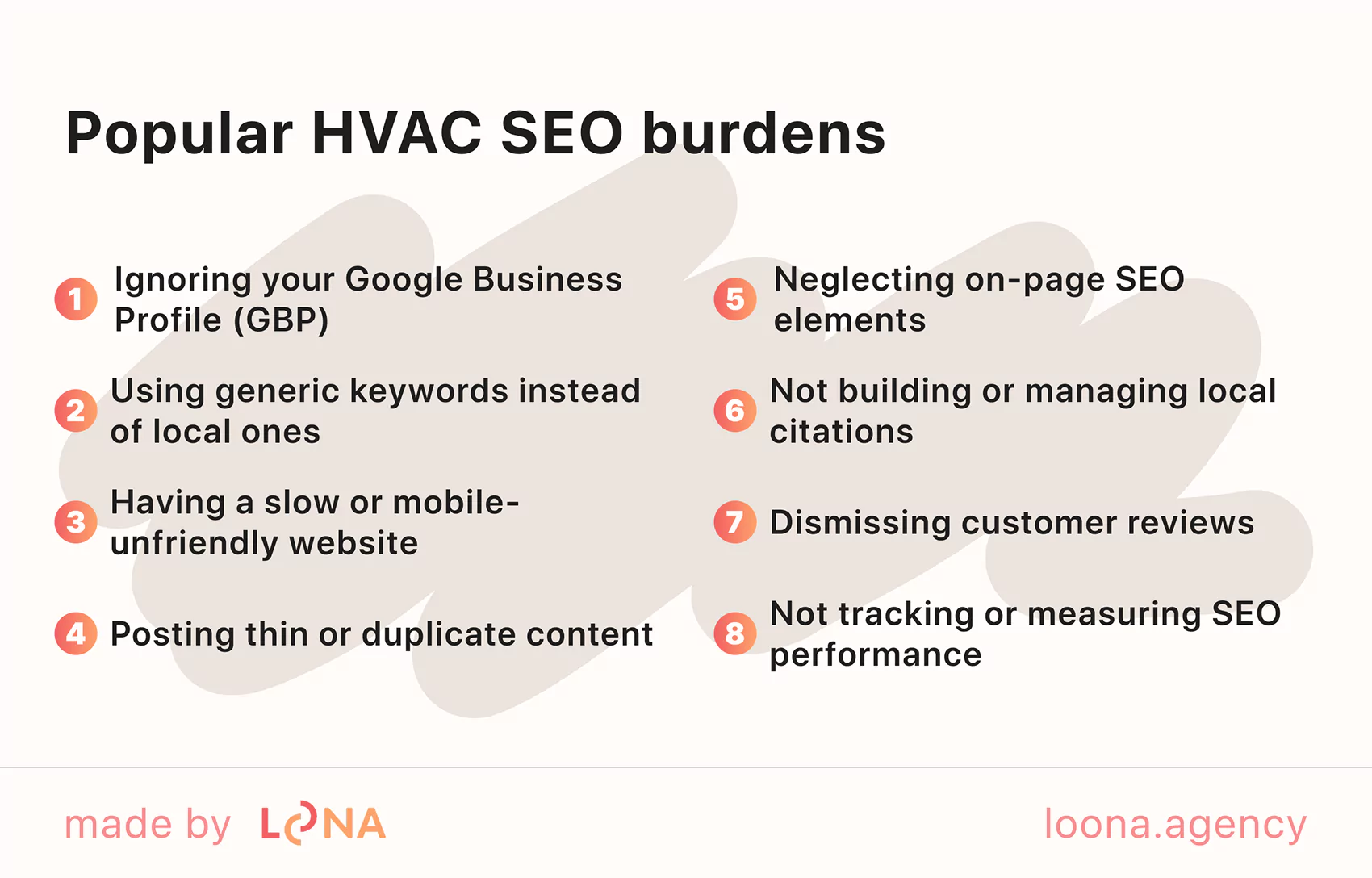
1. Ignoring your Google Business Profile (GBP)
Many HVAC contractors either have not claimed their Google Business Profile or have not optimized it beyond the basics. An incomplete, outdated, or inconsistent profile can reduce trust and make it harder for customers to choose you in local results. Make sure your categories, service areas, hours, phone number, website, photos, services, and review activity match what customers actually need.
- How to fix. Claim your GBP and fill it out completely. Include accurate NAP, business hours, service areas, descriptions, categories, and photos. Regularly post updates and respond to all customer reviews to stay active in Google’s eyes.
2. Using generic keywords instead of local ones
Targeting broad keywords without tying them to your service area is a path to nowhere. These terms are overly competitive and often attract traffic from people outside your service area. Even worse, you may not show up at all in local searches where location matters most.
- How to fix. Incorporate geo-specific keywords into your service pages, headings, URLs, and metadata. Build separate pages for each location if you serve multiple areas.
3. Having a slow or mobile-unfriendly website
Your website may look fine on desktop but loads slowly or functions poorly on mobile devices—where most customers are searching. A slow or clunky mobile site can make visitors leave before they call, especially during urgent HVAC searches. Improve speed, simplify navigation, make phone numbers clickable, and keep booking or quote forms easy to complete on mobile.
- How to fix. Use a responsive design so your site adapts to all screen sizes. Compress large images, minimize third-party scripts, and use tools like Google PageSpeed Insights and Mobile-Friendly Test to identify and fix technical issues.
4. Posting thin or duplicate content
This means using the same content across multiple pages or offering very little useful information about your services. Google views duplicate or low-quality content as a sign that your site may not provide value to users. Such an approach can hurt your rankings or even cause search engines to ignore your pages.
- How to fix. Create unique, detailed service and location pages with content tailored to your audience. Answer common questions, explain your process, and include relevant local information that adds value.
5. Neglecting on-page SEO elements
Overlooking important on-page elements like title tags, meta descriptions, headers, and image alt text is ineffective. These elements help search engines understand what each page is about. If they’re missing, vague, or misused, your site may not rank for the terms your customers are actually searching.
- How to fix. Use clear, keyword-rich titles and descriptions on every page. Structure content with header tags (H1, H2, etc.) and add descriptive alt text to images to improve accessibility and SEO.
6. Not building or managing local citations
Avoid skipping listings in online directories or having inconsistent business information across platforms. Search engines rely on consistent NAP information across trusted sites to verify your business’s legitimacy. Discrepancies confuse search engines and weaken your local HVAC search engine optimization.
- How to fix. Ensure your business is listed consistently on major directories like Yelp, Angi, BBB, and industry specific or local websites. Use a tool or service to audit and manage your citations.
7. Dismissing customer reviews
Not actively asking for or managing online reviews — especially on Google — can weaken trust. Reviews influence whether customers choose your HVAC company, especially when they need urgent service and are comparing several local options. A lack of recent reviews or unanswered negative feedback can discourage potential leads.
- How to fix. Ask happy customers to leave reviews, especially after completed jobs. Make it easy with a direct link to your Google profile. Always respond to reviews—both good and bad—in a professional and timely manner.
8. Not tracking or measuring SEO performance
Running HVAC SEO without tracking makes it hard to know which pages and channels create calls, forms, and booked jobs. Monitor organic traffic, keyword visibility, Google Business Profile actions, call tracking, form submissions, booked appointments, and lead quality so you can improve what actually drives revenue.
- How to fix. Set up Google Analytics and Google Search Console to monitor site traffic, keyword rankings, and technical issues. Review the data regularly to guide your content and optimization decisions.
You can establish a strong online presence that attracts qualified leads and maintains your company competitive with accurate listings, relevant content, fast-loading pages, and continuous optimization. Avoid these common SEO pitfalls to dominate local search!
Loona – best SEO for HVAC contractors
At Loona, HVAC SEO starts with understanding your services, service areas, competitors, website condition, and lead quality goals. We build research-driven strategies around local visibility, technical health, content quality, Google Business Profile signals, and conversion tracking.
From the first audit to constant optimization, our team takes each interaction with a client proactively, transparently, and collaboratively. We are not interested in quick wins – instead, we prioritize long-term organic growth that generates momentum over time. Our clients trust us because we approach their businesses with the same care and urgency as our own, constantly striving to improve their online exposure and effect.
Whether you specialize in residential HVAC, commercial systems, emergency repairs, maintenance plans, or installations, Loona can help turn your website into a stronger local acquisition channel. Our strategy focuses on making it easier for nearby customers to find, trust, and contact your team.
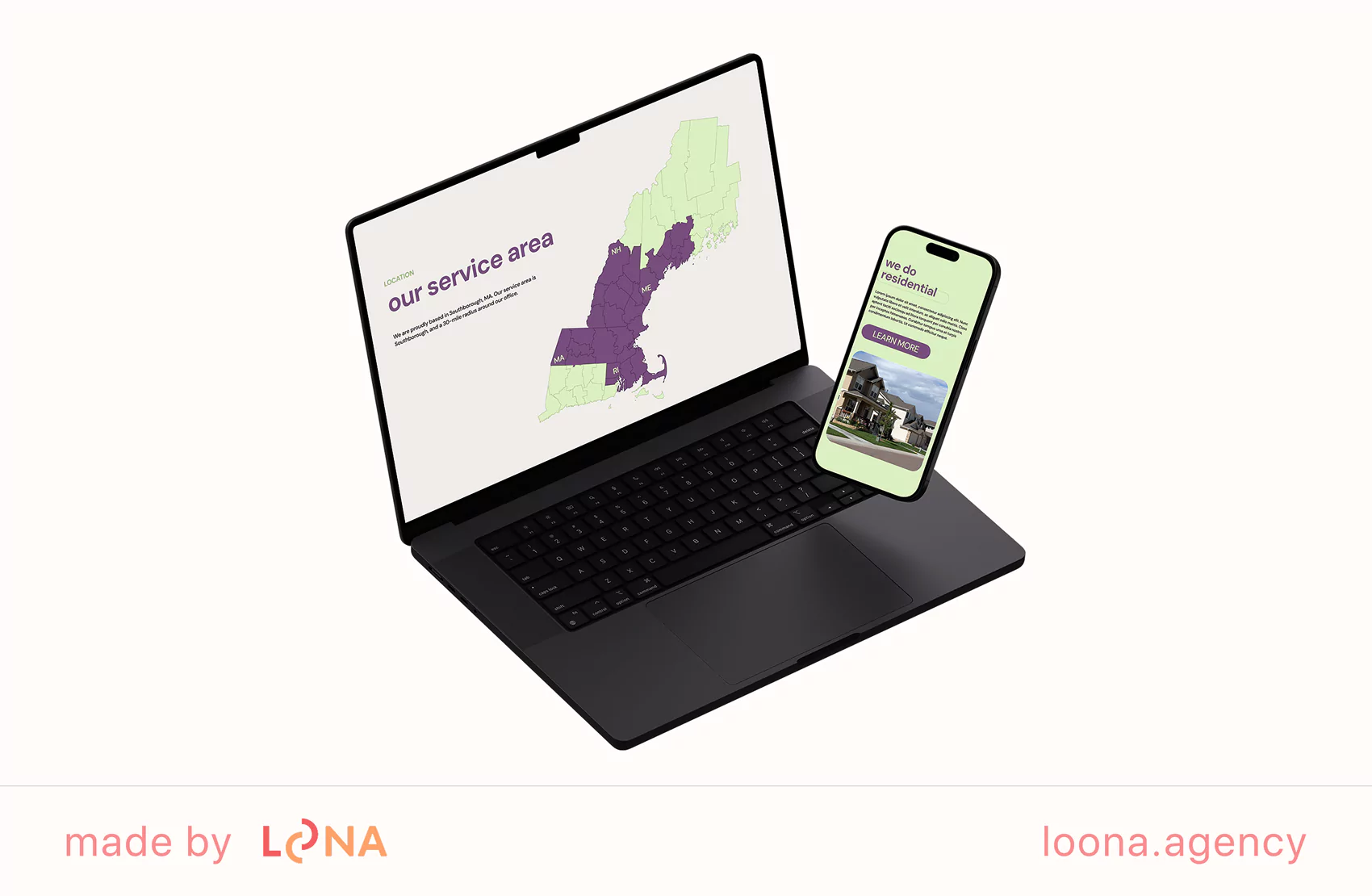
Why say more? See yourself! Plum ProExteriors is a prominent example of our expertise. Their website was years old and didn’t bring in the desirable number of customers, despite the fact that their service was top-quality.
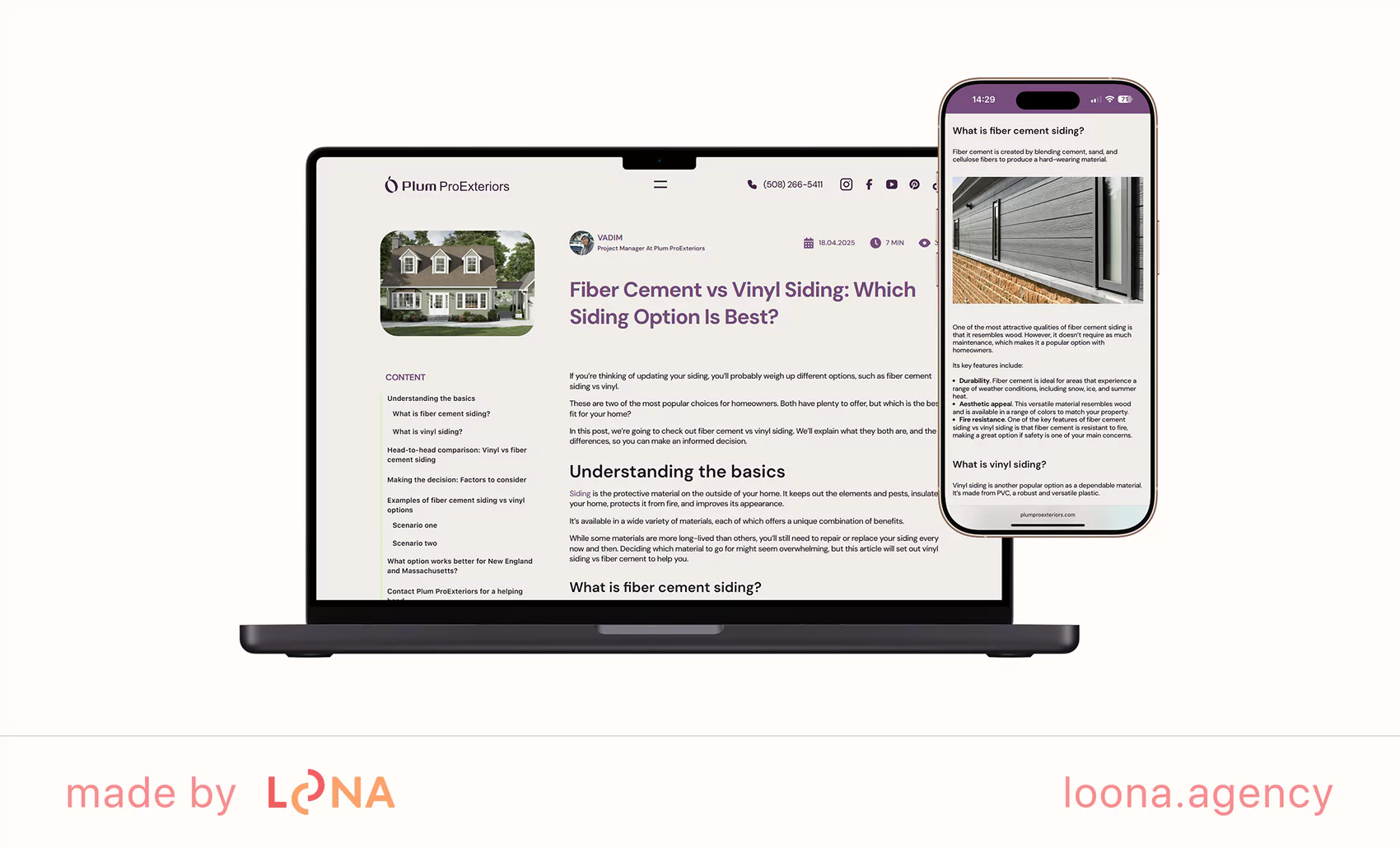
They came to Loona looking for stronger visibility and more consistent lead generation. We responded with a comprehensive digital audit, website improvements, and local SEO strategy. The work helped improve both lead quality and lead volume.
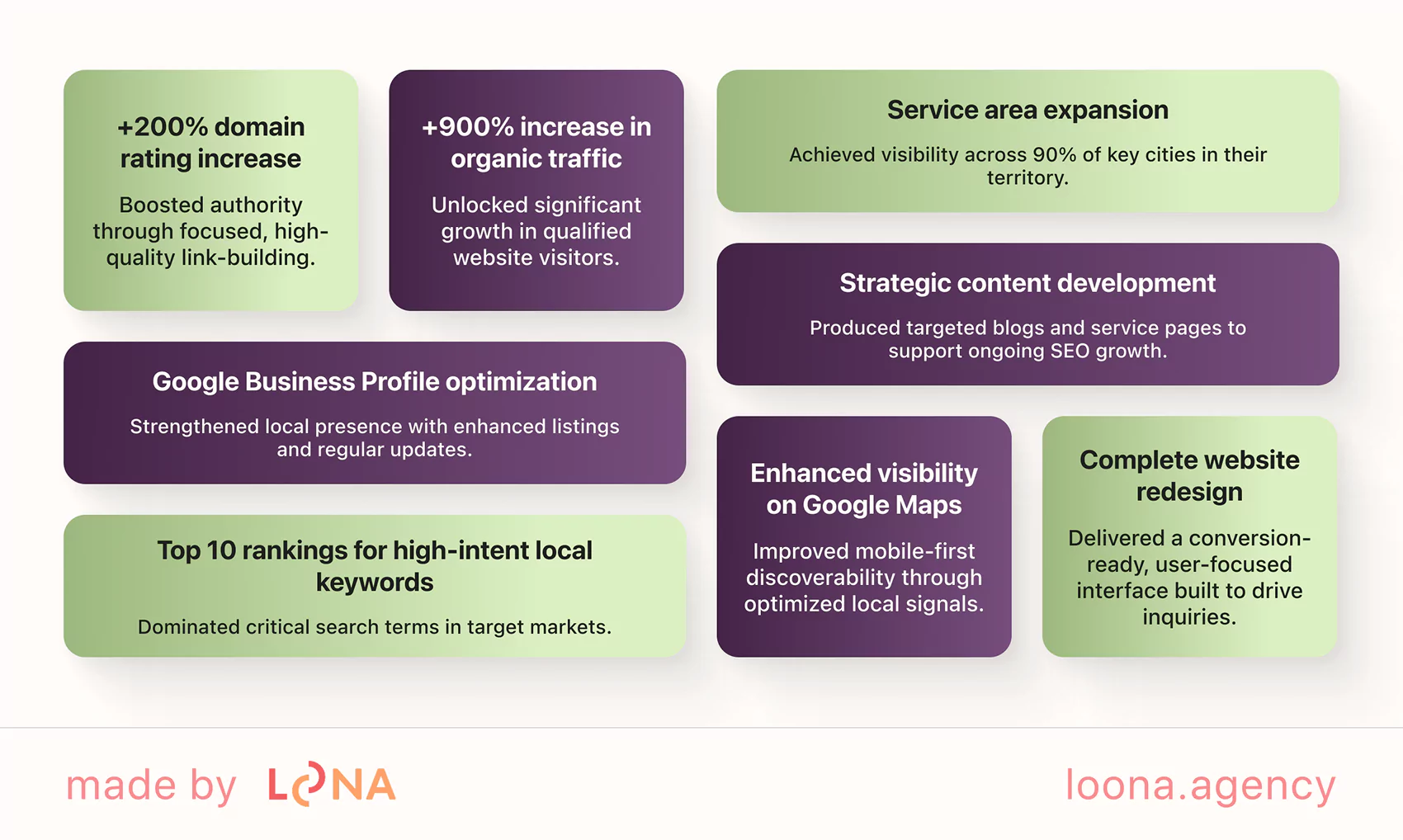
If you’re a HVAC contractor trying to increase your business, Loona is here to help. We understand your sector, have demonstrated our impact, and are ready to design a strategy that works for you.
Conclusion
Building a steady pipeline of HVAC leads takes more than visibility. Your SEO strategy should connect local search demand with useful service pages, trusted reviews, clear contact options, technical performance, and content that answers real customer questions. That matters whether you focus on residential repairs, commercial installations, maintenance plans, or energy-efficient HVAC solutions.
Loona is here to help you transform your website into a reliable lead generator. We are experts in SEO for HVAC contractors and can help your business achieve sustainable growth. Together, we can digitally place your company on the map. Contact us to improve your site and show up locally when it matters most!
FAQ
01 How much do HVAC companies spend on marketing?
HVAC marketing budgets vary by company size, market competition, seasonality, service area, and growth goals. Instead of focusing only on a percentage of revenue, track how each channel contributes to calls, quote requests, booked jobs, cost per lead, and customer lifetime value.
02 What is HVAC SEO?
HVAC SEO is the process of improving your website and local presence so customers can find your heating and cooling services in search results. It can include service pages, local keywords, Google Business Profile optimization, reviews, technical SEO, content, citations, and performance tracking.
03 How to make HVAC work better?
To improve HVAC business results, optimize both marketing and operations: keep service pages clear, improve local SEO, collect reviews, track calls and forms, respond quickly to leads, and make scheduling easy. SEO can bring more visibility, but conversion also depends on trust, speed, and customer experience.
04 How do I advertise my HVAC business?
You can advertise an HVAC business through local SEO, Google Business Profile, Google Ads, Local Services Ads, review generation, referral programs, social media, email reminders, and seasonal campaigns. Start with channels that match customer urgency and track which ones produce qualified calls and booked jobs.
05 Which industry needs SEO the most?
Any business that relies on online searches for customer acquisition needs SEO. Service-based industries like HVAC, plumbing, or legal services benefit greatly from SEO because potential clients often search locally before expanding their search.
Love what you’re reading? Sign up for our newsletter to get our newest articles, helpful tips, and fresh marketing updates delivered right to you. No spam, just the good stuff.